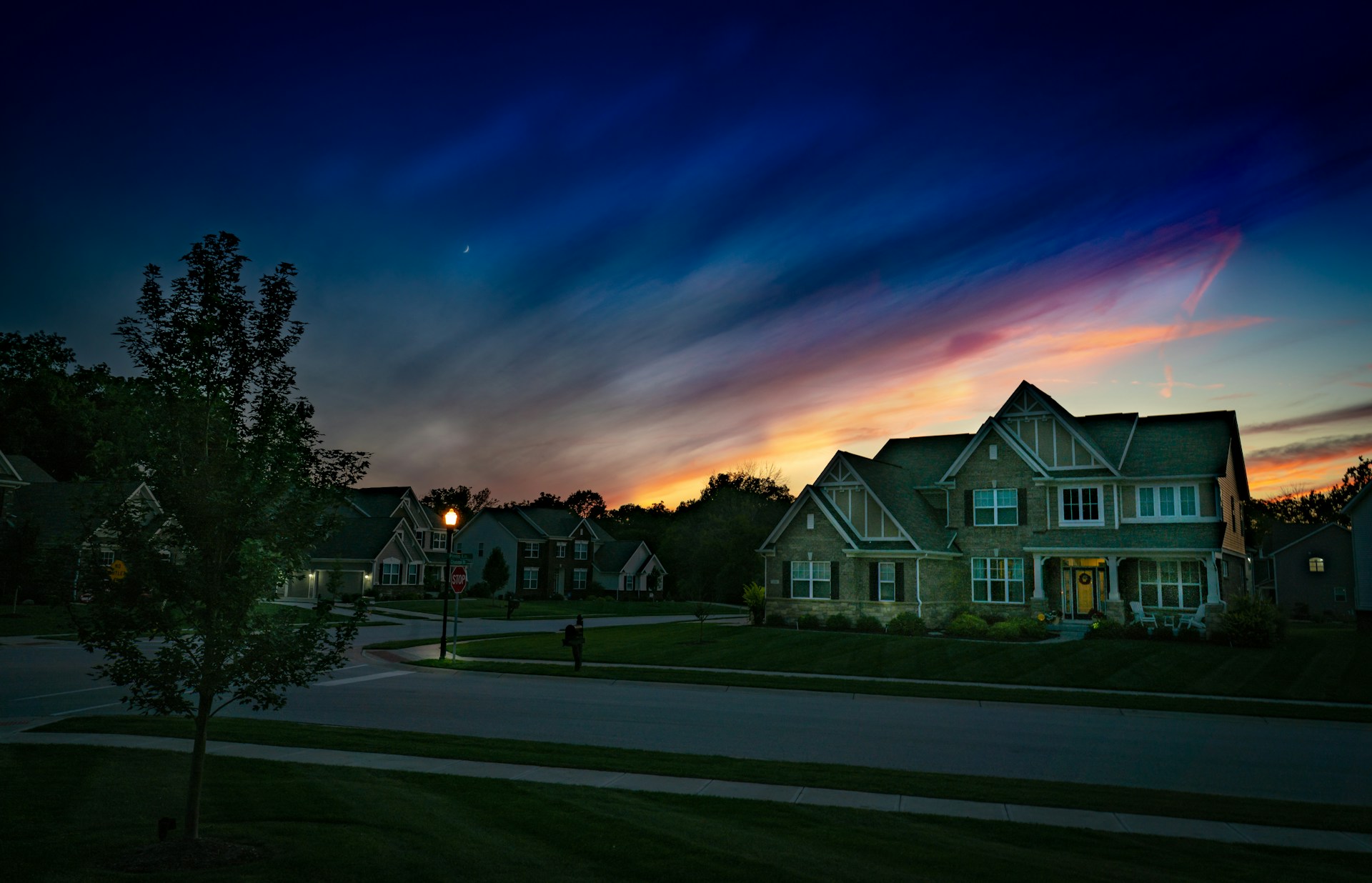
Outdoor lighting is one of those home projects that looks simple from the outside but gets complicated fast once you start digging into the details. Most homeowners start browsing fixtures online, fall in love with a few options, and then realize they have no idea how actually to get them installed, or whether their home’s electrical setup can even support what they have in mind.
The truth is, great outdoor lighting isn’t just about picking the right fixtures. It’s about planning a system that works safely, looks intentional, and holds up over time — especially in a climate like Arizona’s, where heat, sun, and monsoon weather put real stress on outdoor electrical components.
This guide walks you through the planning side of outdoor lighting from an electrical standpoint, so by the time you’re ready to call an electrician, you know exactly what you want and what to expect.
Why Outdoor Lighting Needs More Than Just Fixtures
There’s a big difference between choosing a fixture you like and designing a lighting system that actually does what you need it to do. A fixture is a product. A system is a plan — one that accounts for where the light goes, what powers it, how it’s controlled, and how it connects to your home’s electrical infrastructure.
When homeowners skip the planning stage and jump straight to fixture selection, things tend to go sideways. Lights end up looking random across the property. Circuits get overloaded. Fixtures that aren’t rated for outdoor use fail within a season. And after everything is installed, there’s no logical way to control it all.
Safety, Ambiance, and Security Are Three Different Goals
This is the most important thing to understand before you buy a single fixture. Each purpose drives completely different placement decisions, fixture choices, and electrical requirements.
- Safety lighting is about making sure people can move around your property without tripping or missing a step. Pathway lights, stair lights, and entryway fixtures live here. They need to be bright enough to actually illuminate the ground — not just create a decorative glow.
- Security lighting is about deterrence and visibility. Motion-activated floodlights near the garage, side gates, and back perimeter are the workhorses. These almost always run on line voltage and need a proper circuit behind them.
- Ambiance lighting is everything else — the lights that make your home look great at night, highlight landscaping, and create a welcoming feel at the front door or patio. This is where most people spend the most mental energy, and where low-voltage systems tend to do their best work.
Getting clear on which purpose each light serves before you start shopping makes every other decision downstream much easier.
Line Voltage vs. Low Voltage — Which One Do You Need?
This is the question that determines how much electrical work is actually involved in your project. It’s worth understanding before you have any contractor conversations.
What Each System Is and How It Works
- Line voltage systems run on 120V — the same power that runs your outlets and interior lights. Any fixture connected to line voltage needs to be wired into your home’s electrical system by a licensed electrician. This covers most wall-mounted fixtures, floodlights, security lights, and hardwired porch lights. Line voltage is powerful, reliable, and permanent — the right choice for anything that needs consistent, strong output.
- Low voltage systems run on 12V and use a transformer that steps down power from a standard outdoor outlet. These are the systems you typically see for landscape lighting, path lights, and garden accents. Because the transformer does the heavy lifting, individual fixtures are easier to install and reposition. Many homeowners handle basic low-voltage setups themselves — though if you want the transformer hardwired, or you’re running a large system, bring in an electrician.
- Solar fixtures are wire-free and require no electrical work at all. The tradeoff is performance — solar lights depend entirely on sun exposure, and output drops as the battery ages. In Arizona, solar generally performs well due to the climate, but it’s best suited for decorative or supplemental use rather than security or safety-critical spots.
When You Need an Electrician vs. a Plug-and-Play Setup
The short answer: anything line voltage requires a licensed electrician. Full stop. Beyond that, you should also call one if you’re adding a new outdoor circuit, if your transformer needs to be hardwired, if you want smart controls integrated into your panel, or if you’re not sure what your current outdoor circuits can handle.
A plug-and-play low-voltage kit from a hardware store is fine for a few path lights along a walkway. It’s not the right tool for a full property lighting plan.
Arizona Heat and What It Means for Outdoor Wiring
This part gets overlooked a lot. Arizona summers are brutal on outdoor electrical components. Direct burial cables, UV-resistant conduit, and fixtures with appropriate IP (ingress protection) ratings aren’t optional here; they’re the difference between a system that lasts a decade and one that fails before the first summer is over. Any electrician working in the Phoenix metro should already know this, but it’s worth asking about during your consultation.
What to Decide Before the Electrician Arrives
The more clarity you bring to the conversation, the more accurate your quote will be and the smoother the install will go. Here’s what to work through ahead of time.
Map Out Your Zones First
Walk your property at night if you can. Most homes have five natural lighting zones: the front entry and facade, the driveway and garage area, pathways and walkways, the backyard or patio, and the perimeter for security. You don’t have to tackle all five at once — but knowing which zones you’re prioritizing helps an electrician plan circuits efficiently from the start.
Know Your Fixture Types Before You Think About Brands
Path lights, spotlights, floodlights, wall sconces, step lights, in-ground uplights — each has different power requirements and placement considerations. A spotlight aimed at a tree needs to be positioned and angled carefully. A wall sconce near your front door needs a junction box and proper weatherproofing. Knowing the types of fixtures you want gives your electrician the information they need to scope the job accurately.
If you’re still figuring out fixture types and placement, this outdoor lighting guide covers the basics of design and placement well and is a good place to start before your consultation.
Smart Controls, Timers, and Sensors Add Circuit Complexity
This is where a lot of homeowners don’t think far enough ahead. Do you want lights on a simple timer? A dusk-to-dawn photocell? Motion activation? Smart switches you can control from your phone? Each option has different wiring implications. Smart lighting systems in particular may require neutral wires at the switch location, which older homes don’t always have. The more automation you want, the more important it is to discuss it upfront — retrofitting controls after the fact costs more and sometimes requires redoing work.
Common Mistakes Homeowners Make with Outdoor Lighting
Even well-intentioned projects go wrong. These are the most common issues electricians run into.
Overloading a Single Circuit
It’s tempting to run everything off one existing outdoor circuit to keep costs down. The problem is that outdoor circuits have load limits, and exceeding them creates a tripping breaker at best and a fire hazard at worst. If you’re planning more than a couple of fixtures, get an honest assessment of your current circuit capacity before assuming everything can share a line.
Skipping Weatherproof-Rated Fixtures
Not every fixture that looks like it belongs outside is actually rated for outdoor use. There’s a difference between “damp rated” (covered areas like a porch ceiling) and “wet rated” (fully exposed to rain and elements). Using the wrong rating for the location leads to corrosion, electrical failures, and safety issues. In Arizona, UV degradation is an added factor — fixtures need to handle direct sun exposure as much as moisture.
Ignoring Future Expansion When Planning Circuits
This is the one that causes the most regret. Homeowners install a tidy little system, love how it looks, and then want to add more lights a year later — only to find out there’s no room on the circuit and no conduit run to extend off of. A good electrician will ask if you’re planning to expand. If they don’t ask, you should bring it up. Running a slightly larger conduit or leaving a junction box in a convenient location during the initial install costs almost nothing and saves a lot of headache later.
Conclusion
Outdoor lighting is one of the best investments you can make in your home’s safety, security, and curb appeal. The key is treating it like a system from the start — not a collection of individual fixtures. Come to your electrician with a clear sense of your zones, your fixture preferences, and how you want to control everything, and the rest of the project tends to fall into place.