When a power outage hits, your standby home generator becomes the lifeline keeping your home comfortable and safe. But here’s the thing—a generator that hasn’t been properly maintained might not start when you need it most. That’s why understanding generator maintenance is essential for every homeowner who wants reliable backup power.
Whether you’ve just completed a generator installation or have had your system for years, following the guidelines below for generator maintenance ensures your generator is ready to perform during the next outage.
Why Generator Maintenance Is Crucial
Think of your home generator like a car that sits in the garage most of the year but needs to perform flawlessly the moment you turn the key. Without routine maintenance, small issues can turn into expensive generator problems that leave you without power.
Regular maintenance helps ensure the generator operates efficiently and extends the life of your equipment. A well-maintained generator can last 20 to 30 years, while neglecting proper maintenance often leads to premature failure and costly generator repair bills.
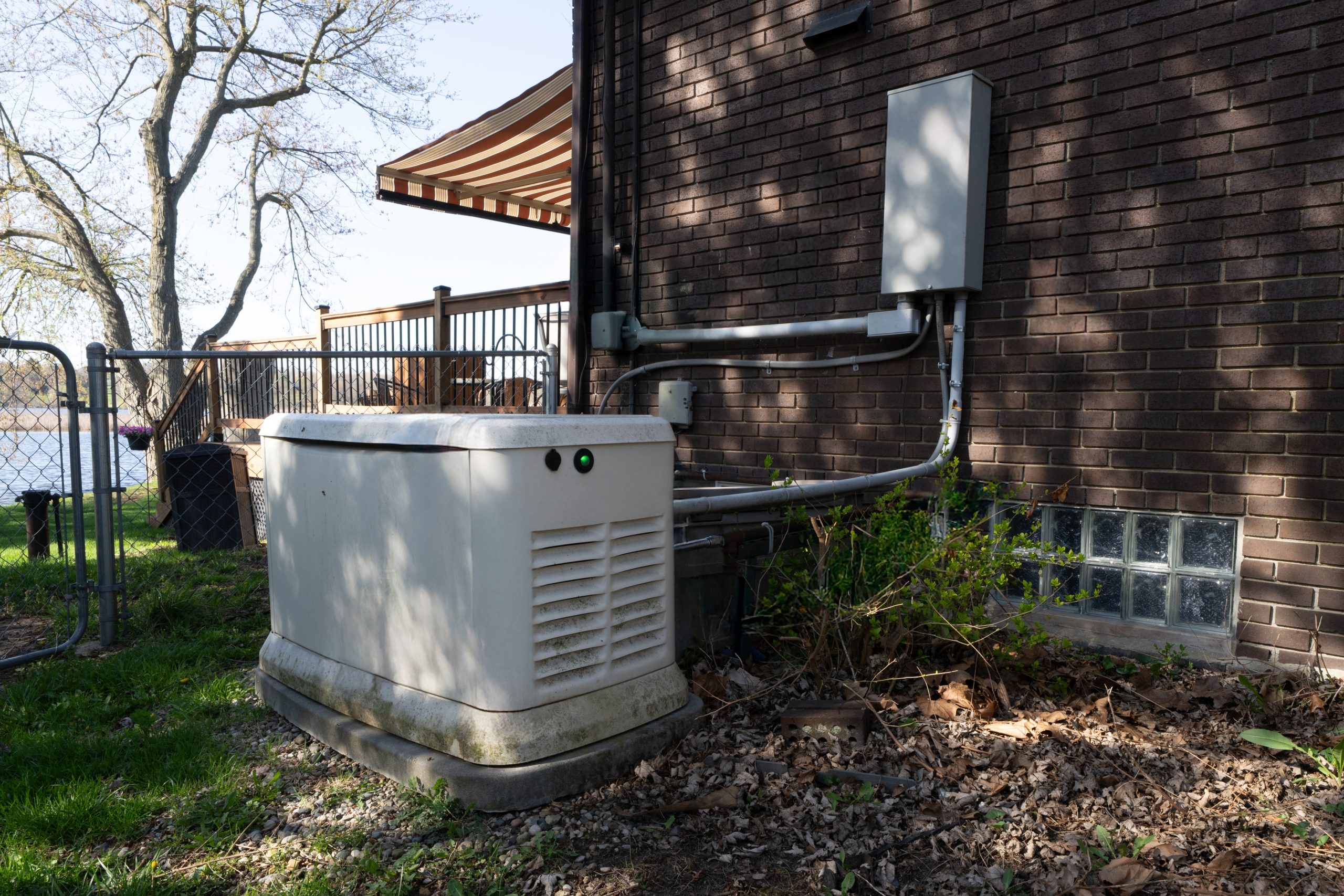
According to the National Fire Protection Association’s guidelines (NFPA 2020), stationary generators integrated into a building’s electrical system must be hardwired and include an automatic transfer switch to ensure safety. This requirement exists because these systems need to follow best practices for generator maintenance to function perfectly during emergencies.
Generator Maintenance Tips Every Homeowner Should Know
Standby generators sit idle most of the time, which can actually cause problems. Oil settles, fuel degrades, and seals dry out. Follow these tips below for best results:
1. Run the Generator Weekly
One of the simplest maintenance practices is exercising your generator regularly. Most standby generator models have an automatic exercise feature that runs the generator under load for about 15 minutes weekly.
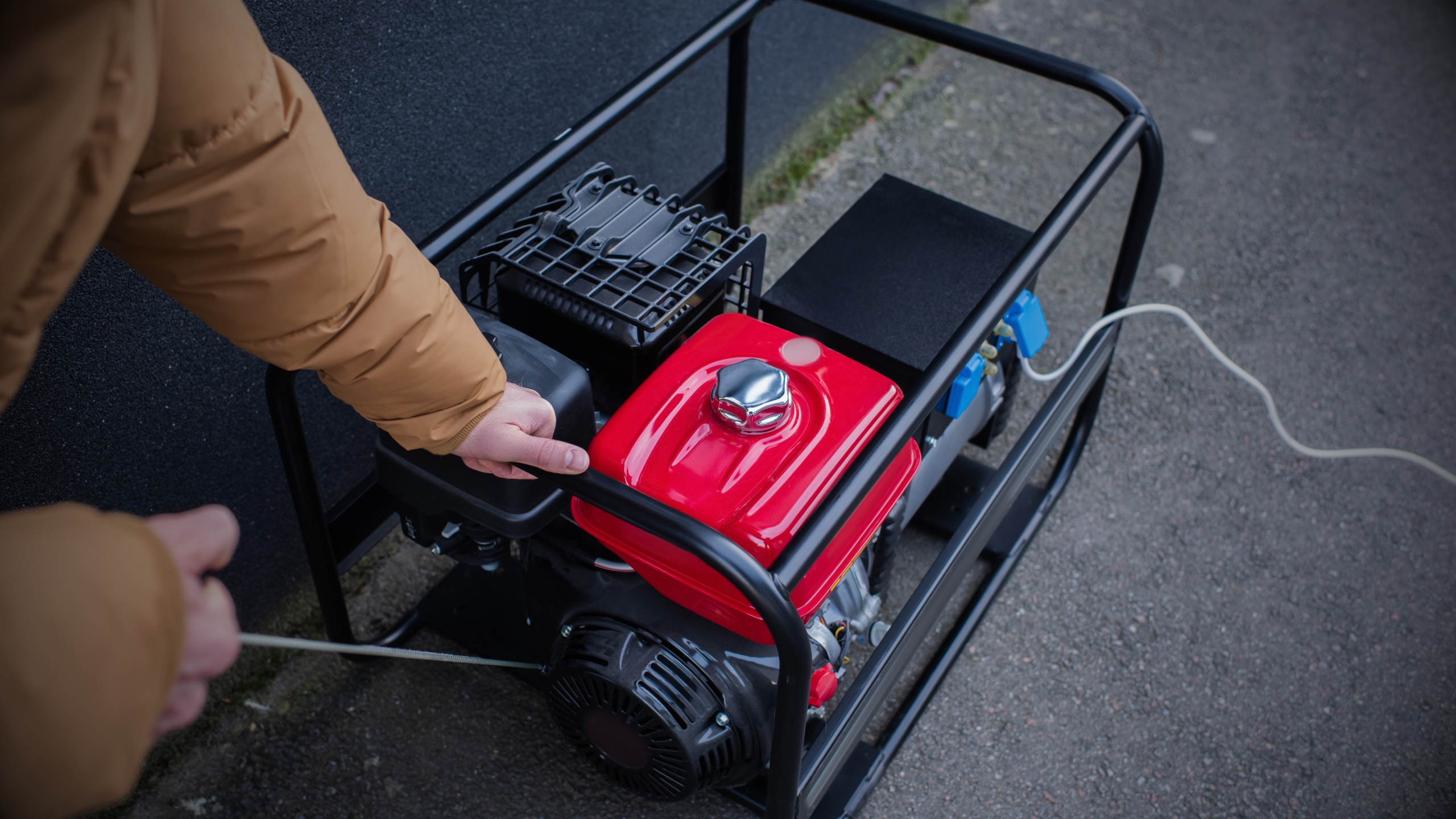
If your system doesn’t have this feature, run your generator manually each week. This keeps oil circulating, prevents fuel from going stale, and helps ensure the generator will start during an actual power outage.
2. Check and Change Oil Regularly
Oil is the lifeblood of your generator. Check oil levels monthly and look at its color. Dark, gritty oil indicates it’s time for a change.
Most manufacturers recommend changing oil after the first 25 hours of operation, then every 50 to 200 hours of operation thereafter. Always use the oil type specified in your manual to keep your generator running smoothly.
3. Inspect and Replace Filters
Your generator relies on clean air and fuel to run efficiently. Inspect the air filter monthly and replace it annually. A clogged filter restricts airflow and can damage to the generator over time.
Replace fuel filters annually as well. If your area experiences frequent outages and you run the generator often, consider more frequent service.
4. Test the Battery
The battery starts your generator—a dead battery means no response during an outage. Perform these maintenance tasks regularly:
- Check battery voltage monthly (should read around 12.6 volts)
- Keep the generator clean around terminals to prevent corrosion
- Replace batteries every 2 to 3 years
Many professional generator technicians recommend a maintenance checklist specifically for battery care since it’s such a common failure point.
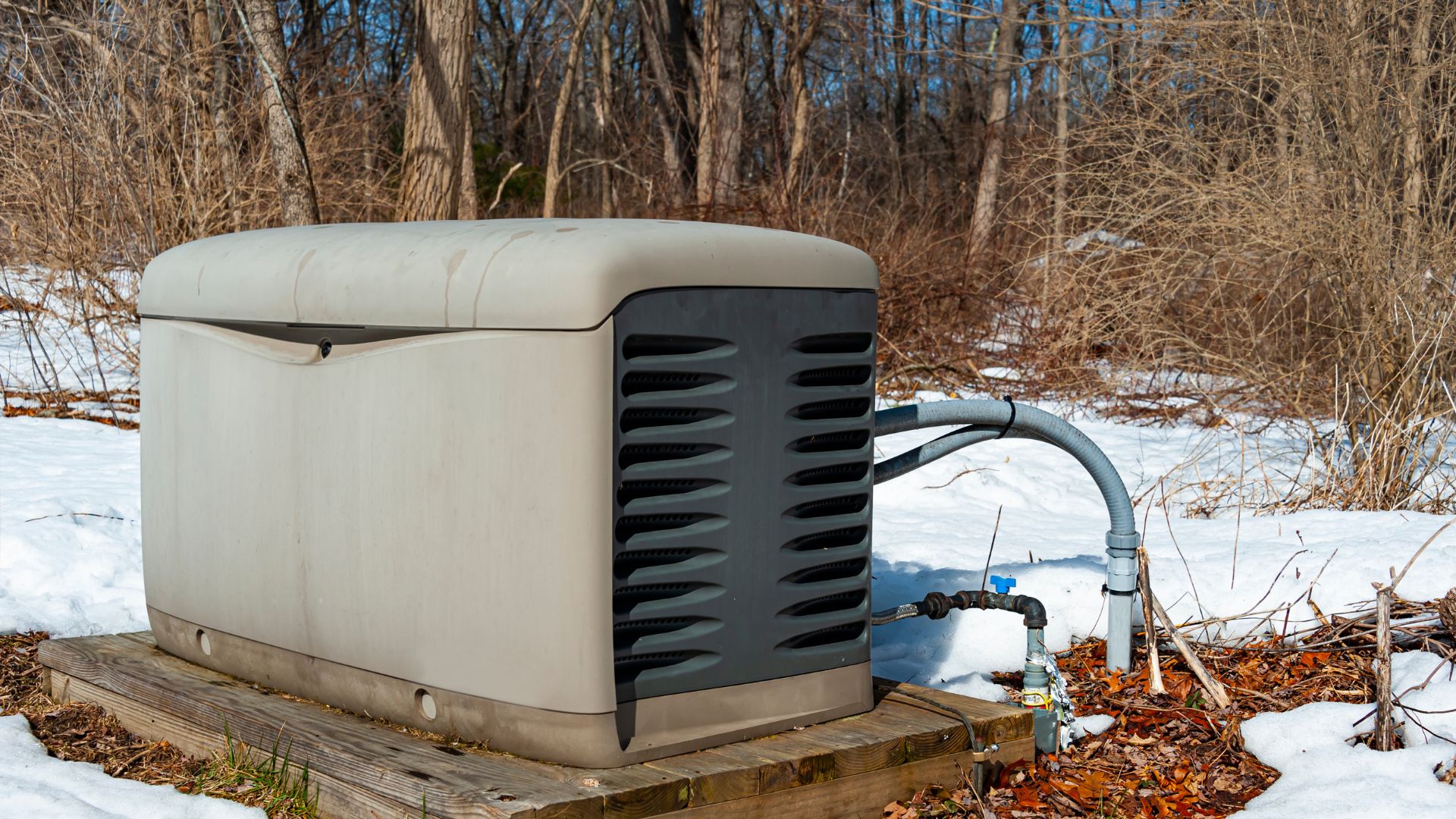
5. Keep the Area Around the Generator Clear
Your generator needs proper ventilation. Here’s a quick inspection checklist:
| Area | What to Check | How Often |
| Surrounding ground | Clear debris, leaves, snow | Weekly |
| Ventilation openings | Ensure nothing blocks airflow | Monthly |
| Enclosure exterior | Look for rust or pest entry | Monthly |
Never operate a generator indoors. Carbon monoxide poisoning is a serious risk with improper placement.
6. Schedule Professional Maintenance
While homeowners can handle many generator care tasks, professional maintenance is essential. A qualified technician performs regular inspections and service that go beyond basic maintenance activities.
Expert generator service typically includes load bank testing, transfer switch inspection, spark plug replacement, and complete electrical evaluation. Professional generator technicians can spot early signs your whole house generator needs professional attention before minor issues become major repairs.
Schedule professional maintenance annually. If you’re in an area prone to outages, scheduled maintenance twice yearly may be worth considering.
7. Follow a Comprehensive Maintenance Checklist
A maintenance checklist helps you track important maintenance tasks:
Monthly: Visual inspection, check oil level, test battery, make sure the generator runs properly
Quarterly: Clean air filter, check coolant, inspect fuel lines, test generator operation
Annual: Schedule maintenance services, replace spark plugs, change oil and filters
Keeping records of all inspections and maintenance helps ensure the generator receives consistent preventive maintenance and maintains warranty coverage.
Understanding Your Generator’s Specific Maintenance Needs
Not all generators are equal. Portable generators have different requirements than standby units. If you’re weighing your options between whole-house vs. portable generators, understanding these differences helps inform your decision.
Always refer to your manual for maintenance guidelines specific to your generator brands and model. When in doubt, consult a technician who can specialize in generator maintenance and repair and provide personalized recommendations based on best practices for generator maintenance.
Common Generator Problems and Prevention
Many issues stem from inadequate home generator maintenance. Battery failure, fuel system problems, and cooling failures all result from skipped maintenance. This maintenance can help extend the lifespan of your generator considerably, and proper generator care keeps your generator in peak condition.
The bottom line: a reliable generator requires consistent attention. These tips for generator maintenance will keep your generator ready for the next outage and give you peace of mind.
Power Your Arizona Home with Confidence—Choose Think Electric
Don’t let the next monsoon storm or heat wave leave your family vulnerable. Understanding why reliable backup power is so often desirable in Arizona homes helps put standby generator maintenance in perspective. Think Electric delivers the expertise Arizona homeowners trust.
Our licensed electricians specialize in:
- Emergency repair services available 24/7 when you need us most
- System upgrades to handle modern power demands and seamless generator integration
- Home safety electrical checks ensuring your family’s complete protection
- New installations of standby generators, backup systems, and comprehensive electrical solutions
- And many more electrical services customized for Arizona homes and businesses
Think Electric understands Maricopa County’s unique challenges. Our team designs systems that perform flawlessly through Arizona’s toughest conditions, giving you peace of mind when it matters most.
Ready to protect your home with reliable, automatic backup power? Contact us at 480-790-7907 for a free consultation.
Think Electric proudly offers professional home backup generator installation throughout Phoenix Metro and Central Arizona, including Phoenix, Mesa, and Chandler, among others.
Give us a call today to schedule your maintenance appointment and maintain your generator for dependable service!