Arizona homeowners know the drill. Monsoon season rolls in with powerful storms that knock out power for hours—sometimes days. Summer temperatures push past 110°F, and a single outage can turn your home into an oven within minutes. That’s why learning how to choose the right size whole house generator for your Arizona home isn’t just about convenience, it’s about protecting your family and your peace of mind.
Picking a home generator isn’t as simple as grabbing the biggest one you can find. Size matters, and getting it wrong can cost you money or leave you without the backup power you need. Let’s walk through everything you need to find the right generator for your home.
Why Generator Size Matters for Arizona Homeowners
When it comes to choosing the right generator size, bigger isn’t always better, and smaller definitely isn’t smarter. An undersized home generator won’t power your entire home during an outage. You’ll be forced to pick and choose which appliances to run, defeating the purpose of having whole-home protection.
On the flip side, an oversized standby generator wastes fuel and costs more upfront. You’re paying for power you’ll never use.
The goal is to find the perfect generator that matches your actual power requirements. This means calculating how much power you need based on the specific appliances and systems you want to power during an outage.
Understanding Watts: Running Watts vs. Starting Watts
Before you can determine the right generator size for your Arizona home, you need to understand how wattage works.
Running watts represent the continuous power an appliance needs to operate. Your refrigerator, for example, might use 150 running watts to keep humming along.
Starting watts (also called surge watts) are the extra burst of power appliances need when they first kick on. That same refrigerator might need 400-600 starting watts to get the compressor going.
Here’s a quick breakdown of common household appliances and their typical wattage:
| Appliance | Running Watts | Starting Watts |
| Central Air Conditioner (3-ton) | 3,500 | 4,500 |
| Refrigerator | 150 | 400-600 |
| Well Pump | 1,000 | 2,000 |
| Sump Pump | 800 | 1,300 |
| Home Office Setup | 500 | 500 |
| Electric Water Heater | 4,000 | 4,000 |
| Lights (10 LED bulbs) | 100 | 100 |
When sizing your generator, you’ll add up the running watts of everything you want to power, then account for the highest starting watts among those appliances. This gives you your minimum generator capacity.
How to Calculate Your Home’s Power Requirements
Ready to figure out what size generator you need? Here’s a simple approach to calculate your home’s power needs:
Step 1: List Essential Appliances
Walk through your home and identify what you absolutely need during a power outage. In Arizona, your air conditioner tops that list—no question. Add your refrigerator, well pump (if applicable), lights, and any medical equipment.
Step 2: Add Up the Wattage
Use a generator calculator or the wattage labels on your appliances to tally up running watts. Most appliances list their wattage on a label near the power cord.
Step 3: Account for Starting Watts
Identify which appliance has the highest starting watt requirement. Add the difference between its starting and running watts to your total.
Step 4: Add a Buffer
Tack on 20-25% extra capacity. This prevents overloading the generator and gives you room for appliances you might have forgotten.
For most Arizona homes between 2,000-3,000 sq ft, a whole house generator in the 20-24kW range typically handles the job. Larger homes or those with multiple air conditioning units might need a generator that can handle 30kW or more.
Types of Generators: Finding the Right Fit
Not every type of generator suits every situation. Here’s what Arizona homeowners should consider:
Home Standby Generators
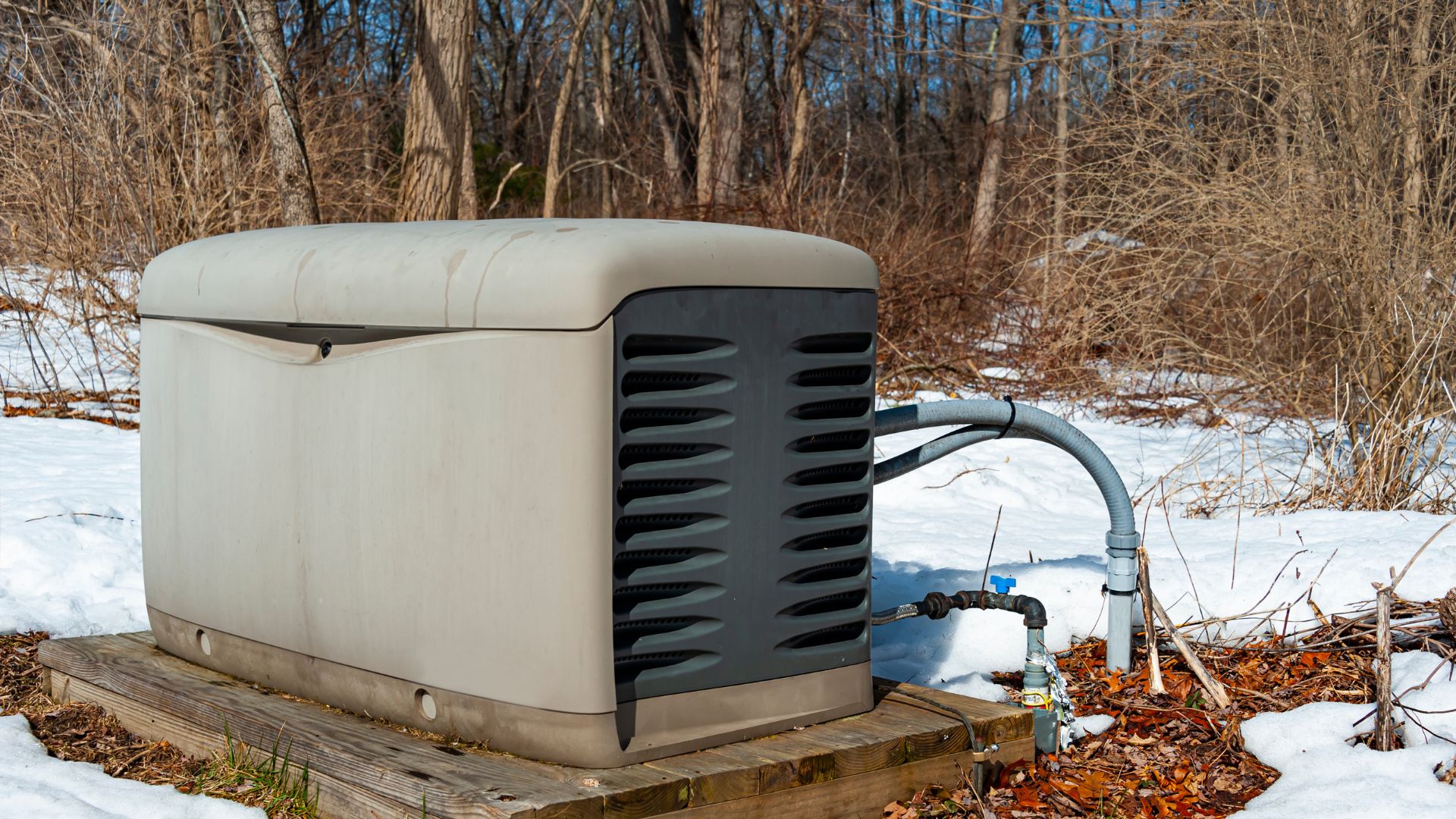
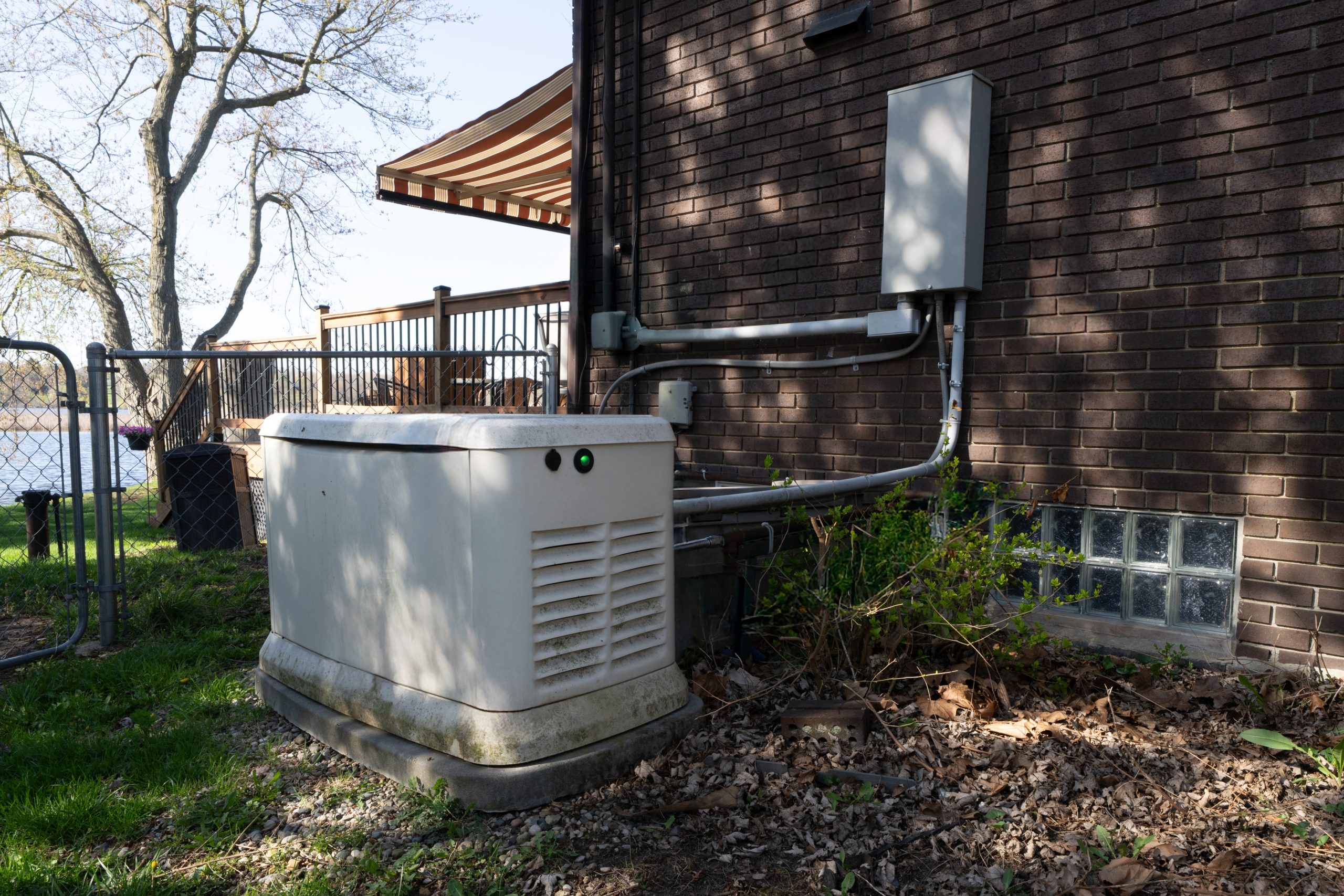
A home standby generator is permanently installed outside your home and connects directly to your electrical panel through a transfer switch. When the power goes out, it kicks on automatically—often within seconds. These run on natural gas or propane, so you don’t need to worry about refueling during extended outages.
For whole-home protection in Arizona’s extreme climate, a standby generator is typically the best choice.
Portable Generators
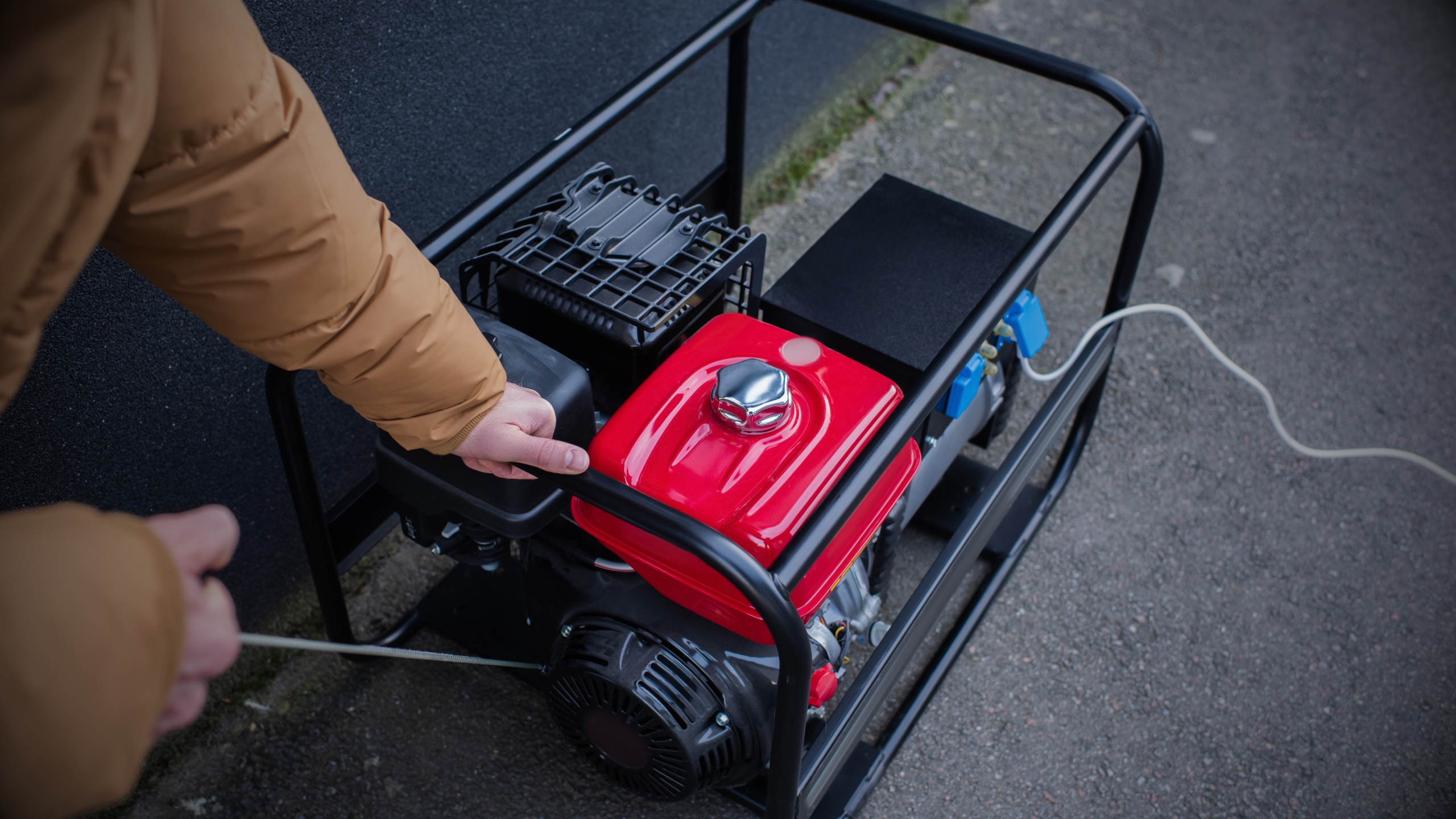
A portable generator costs less upfront but requires manual setup during an outage. They run on gasoline, meaning you’ll need to store fuel and refill during long outages. Portable generators work for occasional backup power but aren’t ideal for powering your entire home through Arizona’s multi-day summer outages.
Inverter Generators and Solar Generators
Inverter generators produce cleaner power for sensitive electronics and run more quietly. Solar generators offer eco-friendly battery storage. However, neither typically provides enough sustained power output to run an Arizona home’s air conditioner through a lengthy outage—making them better for partial backup or camping use.
Generator Installation: What Arizona Homeowners Should Know
Once you choose the right generator size for your Arizona home, professional generator installation ensures everything works safely. A licensed electrician installs a transfer switch connecting your generator to your electrical panel. This switch automatically disconnects your home from the utility grid when the generator activates, preventing dangerous backfeed.
Your whole-home generator gets positioned on a concrete pad outside your home, typically near your gas meter for natural gas units. Propane installations require a dedicated tank. The entire home backup system then gets tested to verify it handles your power requirements without overload issues.
Keeping Your Generator Ready When You Need It
A backup generator only helps if it works when power goes out. Watch for signs your whole house generator needs professional attention, like unusual noises or failure to start.
Following best practices for generator maintenance keeps your backup power system reliable. Most home standby generators need annual professional servicing plus regular checks on oil levels and battery condition.
Power Your Arizona Home with Confidence—Choose Think Electric
Don’t let the next monsoon storm or heat wave leave your family vulnerable. Understanding why reliable backup power is essential in Arizona helps you choose the right size whole house generator for your Arizona home with confidence. Think Electric delivers the expertise Arizona homeowners trust.
Our licensed electricians specialize in:
- Emergency repair services available 24/7 when you need us most
- System upgrades to handle modern power demands and seamless generator integration
- Home safety electrical checks ensuring your family’s complete protection
- New installations of standby generators, backup power systems, and comprehensive electrical solutions
- And many more electrical services customized for Arizona homes and businesses
Think Electric understands Maricopa County’s unique challenges. Our team designs systems that perform flawlessly through Arizona’s toughest conditions, giving you peace of mind when it matters most.
Ready to find the right generator for your home with reliable, automatic backup power? Contact us at 480-790-7907 for a free consultation.
Think Electric proudly offers professional home backup generator installation throughout Phoenix Metro and Central Arizona, including Phoenix, Mesa, and Chandler.
Call us today to schedule your consultation and discover the perfect generator that fits your Arizona home’s needs!