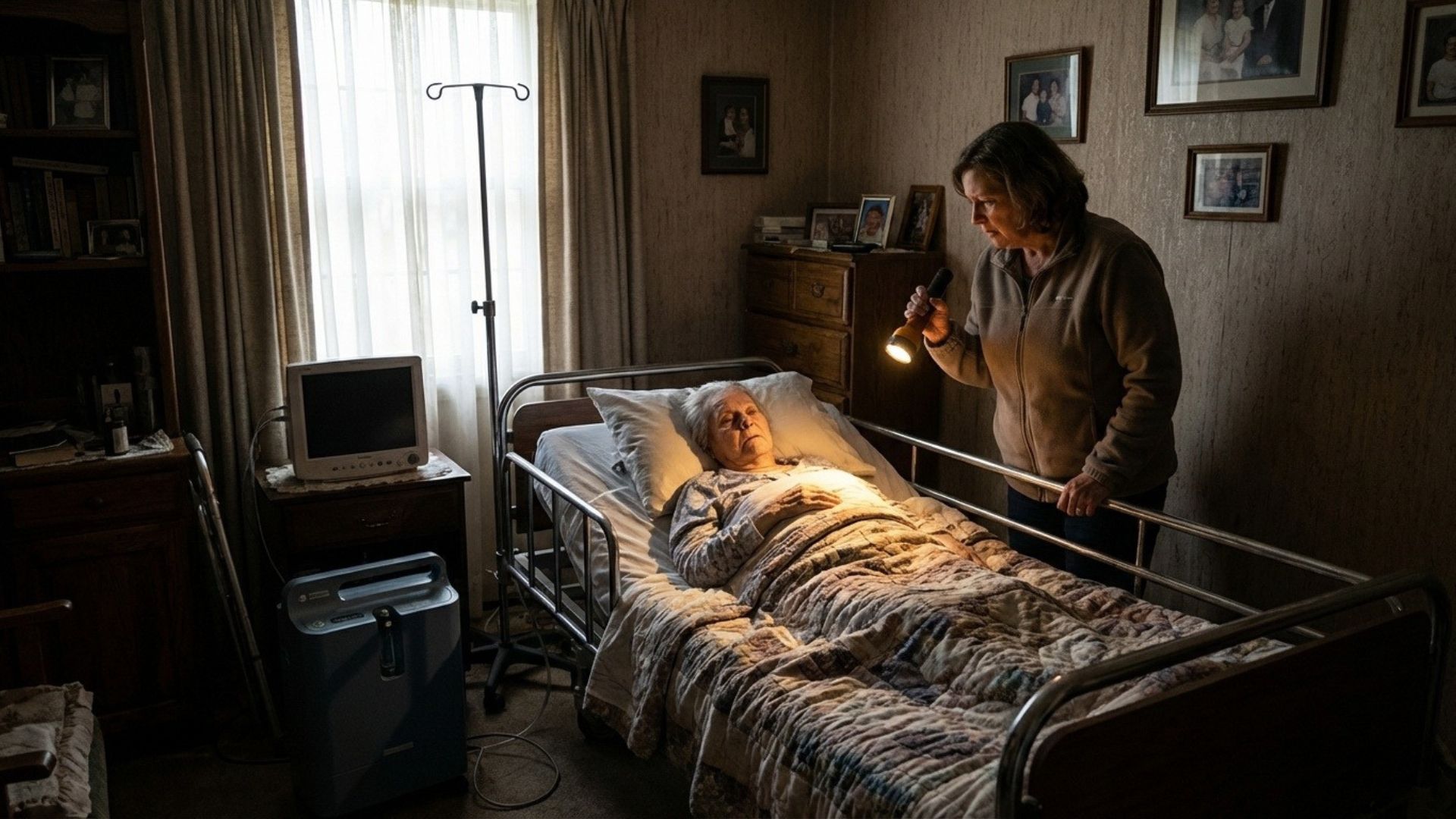
When someone in your household depends on medical equipment to stay healthy, a simple power outage becomes a genuine emergency. Here in the Valley, we don’t just deal with standard outages; we face intense monsoon microbursts, record-breaking Phoenix heat waves, and the constant strain on the Maricopa County grid during the summer months. Protecting medically vulnerable loved ones with a backup power system isn’t just a nice idea—it’s a necessity. From ventilator users in Mesa to those on home dialysis in Chandler, losing electricity for even a short time puts lives at risk.
In this guide, we’ll walk you through why backup power matters, which power solutions work best, and how to prepare for power outages to keep your family safe.
Why Power Outages Are Dangerous for Those Who Rely on Medical Equipment
Power outages can happen for all kinds of reasons—monsoon storms, extreme heat, grid failures, or scheduled maintenance. For most people, an outage is an inconvenience. But when someone in your home relies on electricity-dependent medical equipment, a loss of power can quickly become life-threatening.
Think about equipment like oxygen concentrators, CPAP machines, powered medical equipment such as home dialysis units, or a ventilator. These devices need an uninterrupted power supply to function. When the power goes out, the clock starts ticking. The risks associated with power outages are real, and natural disasters are becoming more frequent, making preparation even more critical. Power outages can lead to dangerous care gaps, and for those who rely on medical devices for breathing or organ function, those gaps can be fatal. That’s why protecting medically vulnerable loved ones with a backup power system should be a top priority for every family with critical medical needs.
Understanding Your Home Medical Equipment’s Power Needs
Before choosing a backup power solution, you need to understand how much power your home medical devices require. Not every device draws the same wattage, and getting this wrong could leave your system short.
|
Medical Device |
Approximate Wattage |
|
Oxygen concentrators |
300–600W |
|
CPAP/BiPAP machine |
30–60W |
|
Ventilator |
100–300W |
|
Home dialysis machine |
200–500W |
| Power wheelchairs and scooters (charging) |
200–500W |
| Nebulizer |
100–200W |
Check your equipment instruction manuals to find out how much power they consume. Add those numbers to understand your total power requirements. If someone uses sensitive medical equipment, you also want a power source that delivers clean, stable electricity—dirty or fluctuating power without proper regulation can damage sensitive medical devices.
Choosing the Right Power Backup Solution
Several power backup solutions exist. The best choice depends on your specific equipment needs, budget, and how long you need to stay powered during an event of a power outage.
Standby Home Generators
A home generator is one of the most reliable backup power sources for households with critical medical equipment. Installed permanently, these units deliver automatic power within seconds when utility power fails—even if a power outage occurs at night. They can provide power to your entire home, keeping all critical medical devices running alongside lights and HVAC. To learn more, explore how to choose the right size whole house generator for your Arizona home. Once installed, following generator maintenance helps keep your system running for years.
The key to medical safety is an Automatic Transfer Switch (ATS). In our Arizona installations, we configure these to sense a grid failure and kick the generator on in under 10 seconds—meaning your loved one’s equipment barely misses a beat, even if you aren’t home to flip a switch.
Portable Generators
A portable generator is a lower-cost option for short-term power, but it requires manual startup and outdoor use due to carbon monoxide risks. It works for emergency power situations but isn’t ideal for extended outages or if vulnerable family members can’t call for help or set it up alone.
Battery Backup Systems
Battery backup systems offer a different advantage. They provide immediate power during an outage with zero delay, run silently, and work indoors. For lower power devices like CPAP machines, a battery backup system is excellent. Portable power stations—essentially large battery storage units—are popular for this reason. These systems have limited runtime, so they’re best for keeping equipment running while waiting for power restoration. Pairing battery power with a generator gives you immediate power from the battery and sustained reliable power for the long haul.
Building an Emergency Plan for Medically Vulnerable Family Members
Protecting medically vulnerable loved ones with a backup power system goes beyond buying equipment—you need a solid emergency plan.
Step 1: Inventory Your Equipment
List every device that requires electricity for your medical needs. Note the power needs, including wattage and whether the device has its own backup batteries.
Step 2: Choose Your Backup System
Select a reliable backup power system based on your current power demands. A standby generator is the gold standard, while a battery backup system provides standby power during those first critical minutes. If planning electrical upgrades, working with a professional for backyard wiring in Arizona ensures your setup meets code.
Step 3: Register With Your Utility
Many utility companies track customers who rely on critical medical devices. Registering helps you receive power faster when power is restored and may qualify you for advance outage notifications.
Step 4: Coordinate With Others
Let neighbors with medical awareness know your situation. Keep a list of nearby medical facilities that can provide care if an extended outage occurs and your backup solutions run low.
Step 5: Test Regularly
Don’t wait for a real event of an outage to discover problems. Make sure all critical medical devices can receive power when the source of power switches over. Keep your generators for medical use serviced and batteries charged.
Protect Medically Vulnerable Households Before the Next Outage
Protecting medically vulnerable loved ones with a backup power system comes down to preparation. Whether you rely on medical equipment like oxygen concentrators, dialysis machines, or rely on home medical equipment for daily life, being without power is never an option. The right power system delivers uninterrupted power and peace of mind so your family stays safe when an outage occurs.
Don’t let the next monsoon storm or heat wave leave your family vulnerable. Understanding why reliable backup power is essential in Arizona helps you choose the right size whole house generator for your Arizona home with confidence. Think Electric delivers the expertise Arizona homeowners trust.
Our licensed electricians specialize in:
- Emergency repair services available 24/7 when you need us most
- System upgrades to handle modern power demands and seamless generator integration
- Home safety electrical checks ensuring your family’s complete protection
- New installations of standby generators, comprehensive backup power systems, and electrical solutions
- And many more electrical services customized for Arizona homes and businesses
Think Electric understands Maricopa County’s unique challenges. Our team designs systems that perform flawlessly through Arizona’s toughest conditions, giving you peace of mind when it matters most.
Ready to find the right home generator with reliable, automatic backup power? Contact us at 480-409-0165 for a free consultation.
Think Electric proudly offers professional home backup generator installation throughout Phoenix Metro and Central Arizona, including Phoenix, Mesa, and Chandler.
Call us today to schedule your consultation and discover the perfect generator that fits your Arizona home’s needs!