When Arizona’s monsoon season rolls through or extreme weather events strain the electrical grid, thousands of families experience firsthand how vulnerable modern life has become without electricity. Research shows that experiencing significant power cuts compels householders to think seriously about alternative means of electricity provision [1].
If you’re among the growing number of Arizona residents wondering what to expect during a whole-house generator installation, this comprehensive guide will walk you through every step of the process.
Why Arizona Homeowners Are Investing in Backup Power
The decision to install a whole-house generator often comes after experiencing the cascading effects of a power outage. Studies reveal that extreme events and power cuts are perceived to be becoming more frequent due to climate change, leading many homeowners to conclude they need better generator solutions [1]. The motivation is clear: electricity is becoming “ever more central to the everyday practices of households” [1], and modern families simply cannot function without it.
What to Expect During a Whole-House Generator Installation: The Complete Timeline
Initial Assessment and Planning (1-2 Weeks Before Installation)
Before any equipment arrives, your generator installer will conduct a thorough evaluation of your property and electrical needs. This planning phase determines the installation cost and ensures the generator you need matches your home’s requirements.
Load calculation is the first critical step. Your installer will assess which appliances and systems you want to power during an outage. This determines what size generator you’ll need—typically ranging from 7kW for essential circuits to 22kW or larger for whole home coverage.
Fuel source selection comes next. Most Arizona homes choose a natural gas generator because it connects directly to your existing gas line, providing unlimited runtime during extended outages. Alternatively, some homeowners opt for propane systems, especially in rural areas without natural gas service.
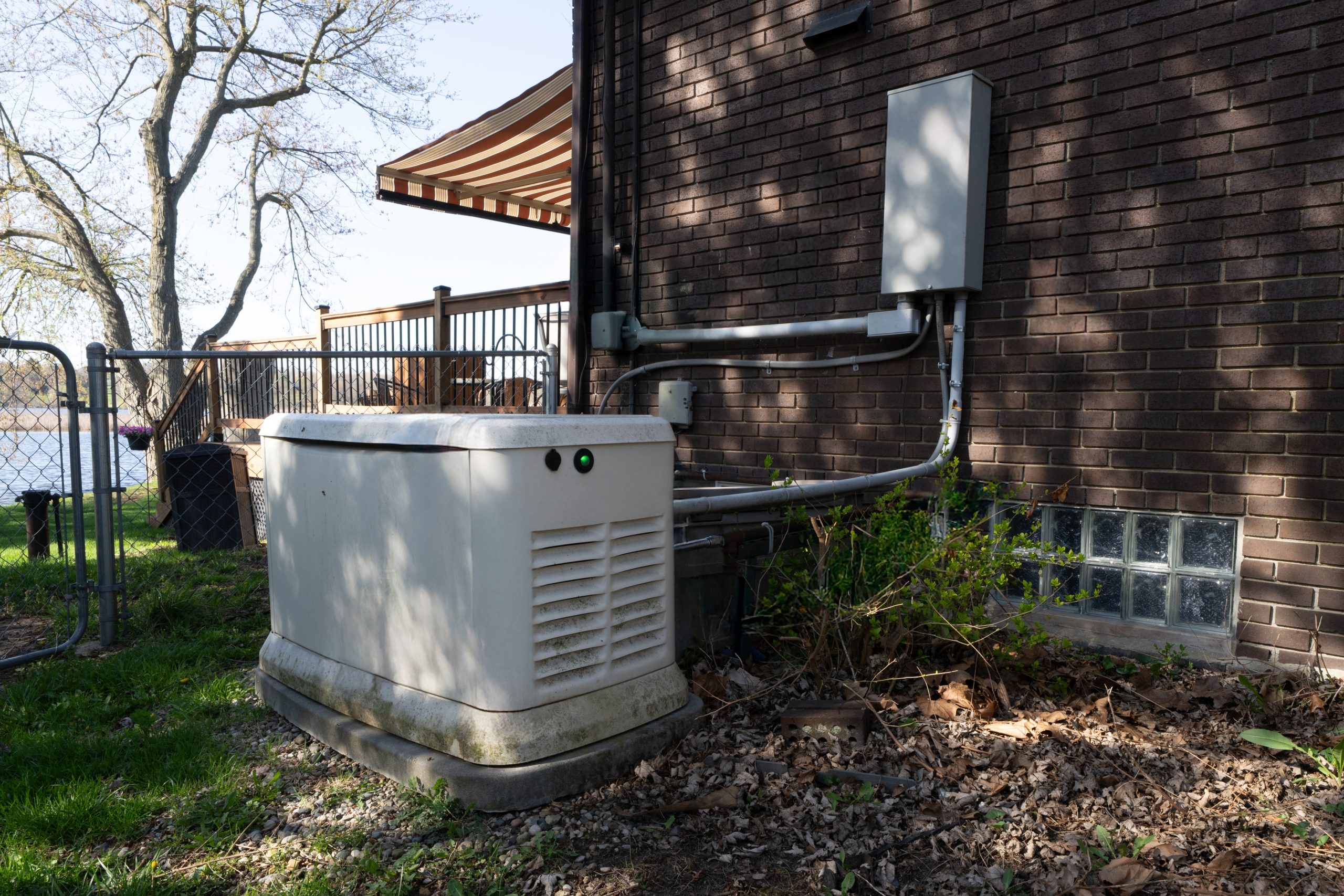
Site evaluation identifies where the generator be installed. The location must meet setback requirements from windows, doors, and property lines while allowing proper ventilation and service access. Your installer will mark where the generator will sit on a concrete pad, typically along the side or rear of your home.
Permit acquisition is non-negotiable. Your installer will handle pulling the necessary permit from your local jurisdiction. In Maricopa County, this process typically takes 1-2 weeks and ensures your installation meets all electrical and building codes.
Day 1: Site Preparation and Equipment Delivery
On installation day, you can expect a professional crew to arrive with your new generator and all necessary components. The generator installation process typically takes 1-2 days for a standard whole-house generator installation, though complexity can extend this timeline.
Concrete pad installation may occur first if one doesn’t already exist. The generator must sit on a level, stable surface—usually a 4-inch thick concrete pad that extends several inches beyond the generator’s footprint. Some installers pour this pad a day or two early to allow proper curing.
Positioning the generator requires precision. The crew will place the generator on the pad, ensuring it’s level and properly positioned for fuel line and electrical connections. The unit must be secured to prevent movement during operation.
Day 1-2: The Core Installation Work
This is when you’ll see the most activity and truly understand the complexity of the installation.
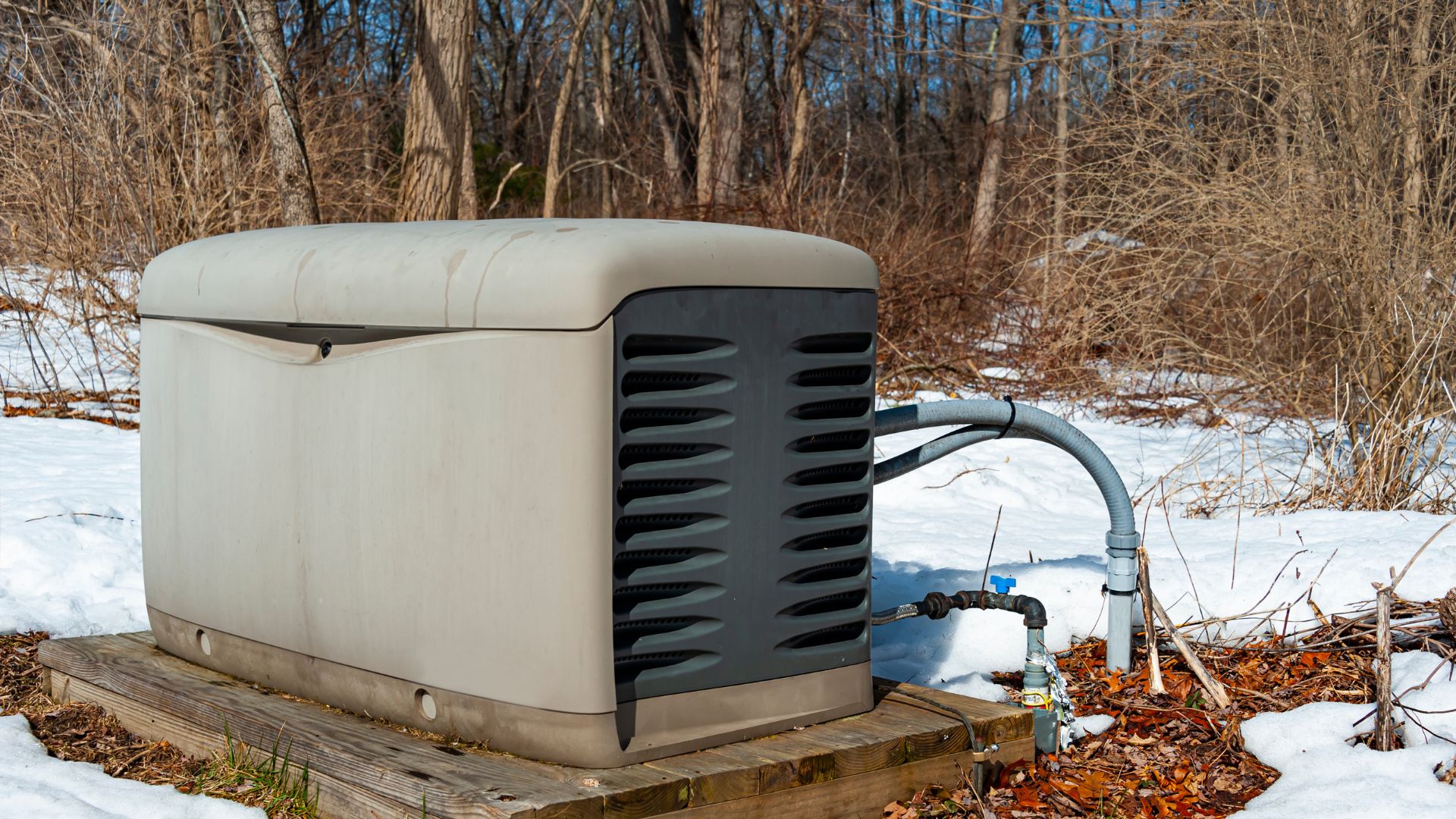
Natural gas line installation involves running a dedicated line from your home’s gas meter to the generator. A licensed plumber or HVAC technician handles this work, ensuring proper sizing and pressure for your generator’s fuel requirements. If you’re installing a propane system, this involves setting up a dedicated tank.
Electrical connections form the heart of connecting the generator to your home’s electrical system. Your installer will run wiring from the generator to a transfer switch, which acts as the brain of your backup power system.
Installing the Automatic Transfer Switch
The automatic transfer switch is arguably the most important component of the generator system. This device monitors your home’s incoming power and automatically starts the generator when it detects an outage.
Transfer switch placement occurs inside your home, typically next to your main electrical panel. The installer will mount the switch and connect it to your home’s electrical system, creating separate circuits for generator-backed loads.
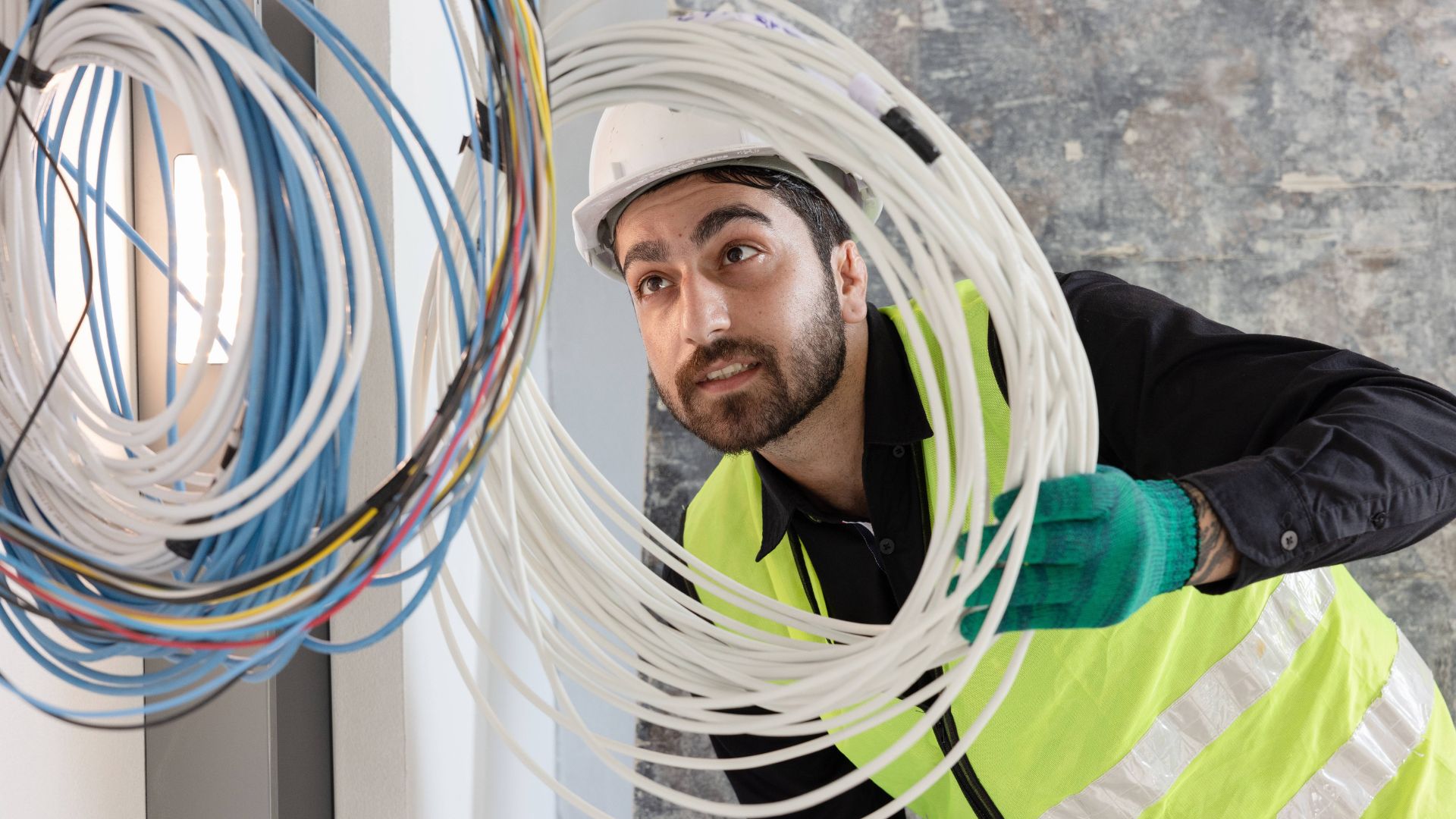
Generator wiring connects the transfer switch to your standby generator. This involves running heavy-gauge wiring through conduit from the switch to the generator location—often requiring drilling through walls or foundation.
Integration with existing systems means your installer carefully connects the transfer switch to your main panel, ensuring seamless switching to generator power when needed. This work requires precision to ensure your generator is wired correctly and safely.
Day 2: Testing and Commissioning
Before the installation is complete, extensive testing ensures everything works flawlessly.
System startup involves filling the generator with oil, connecting it to natural gas, and powering it up for the first time. The installer will run the generator through multiple cycles, checking that the generator starts automatically when the transfer switch simulates an outage.
Load testing confirms the generator is operating correctly under actual load conditions. The installer will verify that all selected circuits receive power and that the generator runs smoothly without overheating or unusual sounds.
Transfer switch verification ensures the automatic transfer switch responds correctly to power loss and restoration. Your installer will confirm the generator automatically takes over within seconds of an outage and seamlessly returns control to utility power when it’s restored.
Final inspection by your local building department typically occurs within a few days. The inspector will verify that the generator is properly installed according to code, that all wiring meets standards, and that safety requirements are satisfied.
Understanding the Installation Process: What Happens Behind the Scenes
Choosing the Generator That’s Right for Your Home
The generator installation process begins long before equipment arrives. Determining what size generator you need requires understanding your home’s power consumption.
A load analysis calculates the total wattage of everything you want to run during an outage. Essential circuits—refrigerator, freezer, heating/cooling, lights, and a few outlets—might require a 14-16kW generator. Running your entire home including multiple AC units could demand a 20-24kW unit.
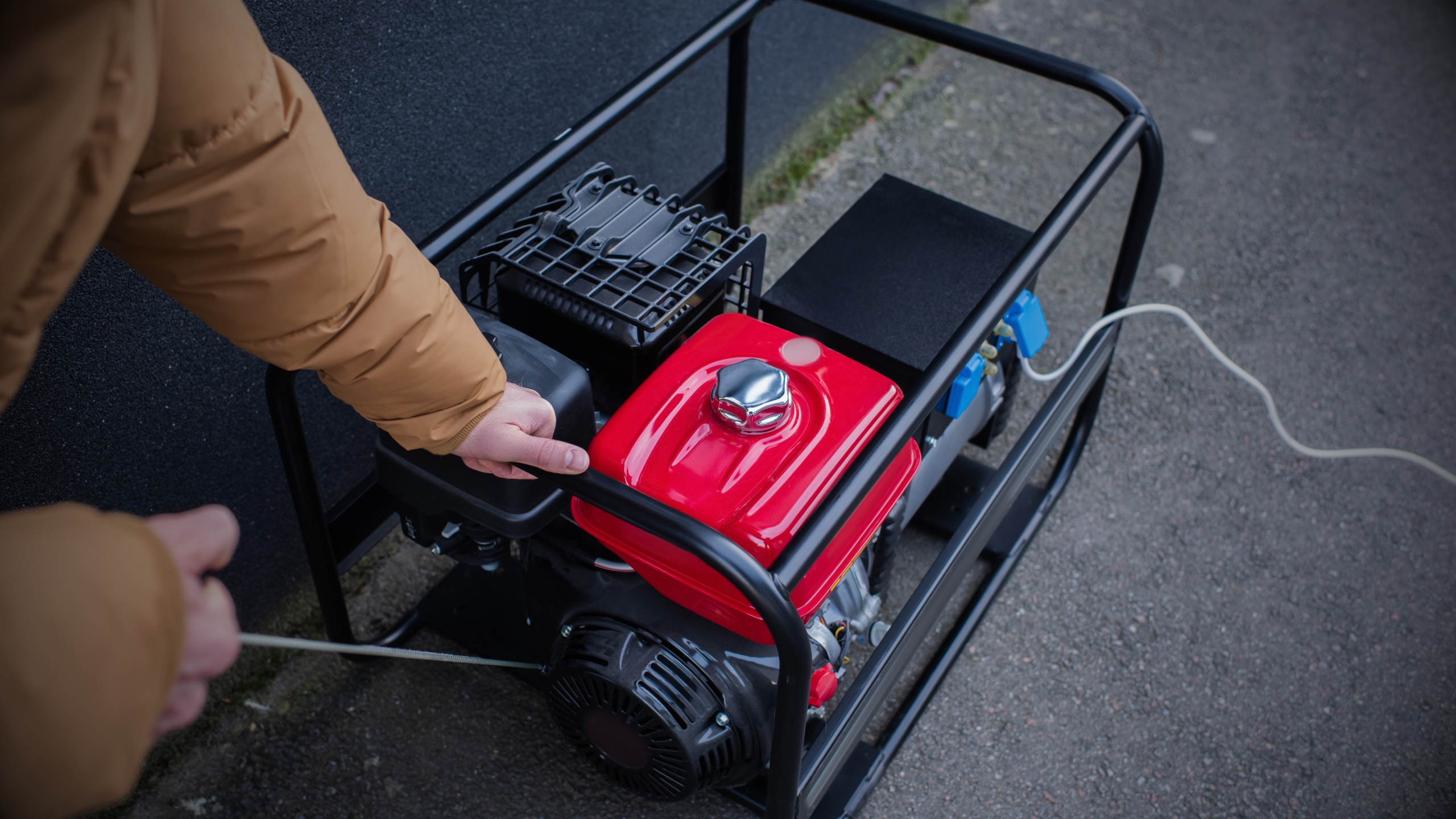
For many Arizona families researching whole-house vs. portable generators: which one do Arizona families really need?, the answer becomes clear during the planning phase: a portable generator might run a few circuits, but a whole-home generator provides comprehensive coverage and automatic operation.
The Role of Professional Installation
Installing a home standby generator isn’t a DIY project. The work involves multiple trades—electrical, plumbing or gas fitting, and sometimes concrete work—all requiring licensed professionals.
Safety compliance ensures your generator system meets National Electrical Code (NEC) standards and local amendments. Arizona’s climate presents unique challenges, including high ambient temperatures that affect generator performance, making professional expertise essential.
Warranty protection depends on professional installation. Most manufacturers void warranties if the generator isn’t installed by a certified generator installer following their specifications.
What Determines Your Installation Cost?
The whole-house generator installation cost varies significantly based on several factors:
Generator size is the primary cost driver, with units ranging from $3,000 for smaller standby generators to $6,000+ for large whole-home systems.
Installation complexity affects labor costs. A straightforward installation with nearby gas service and accessible electrical panels costs less than one requiring extensive gas line trenching or complicated wiring runs.
Fuel source impacts costs differently. Connecting to an existing natural gas line is typically more economical than installing a propane tank and running new lines.
Permit fees in Maricopa County typically range from $150-500 depending on your jurisdiction and generator size.
Total costs for what to expect during a whole-house generator installation typically range from $6,000-15,000, with most Arizona homeowners investing $8,000-12,000 for a complete turnkey installation.
After Installation: Living with Your Home Standby Generator
The Peace of Mind Factor
Research confirms that taking adaptive measures like purchasing emergency equipment leads to feelings of preparedness, safety, and being “stocked for the future” [1]. Your whole-house generator provides this psychological benefit alongside practical protection.
The main goal of acquiring a decent generator is allowing your household to “just switch over to that and not have to worry” during an outage [1]. With an automatic system, you achieve exactly this—power transitions happen within seconds, often before you’ve noticed the utility went down.
Ongoing Generator Maintenance
Install your generator and you’ve made a smart long-term investment, but like any mechanical system, it requires maintenance. Most manufacturers recommend:
- Weekly exercise cycles: Your generator runs automatically for 15-20 minutes weekly, keeping components lubricated and ensuring readiness
- Annual service: Professional inspection, oil changes, filter replacement, and system testing
- Battery replacement: Every 2-3 years for starting batteries
Regular electrical maintenance ensures your generator is operating reliably when you need it most.
What Happens During an Actual Outage?
Understanding how your generator system works helps you appreciate the technology protecting your home:
- The transfer switch detects power loss within milliseconds
- The generator starts automatically within 10-15 seconds
- Power transfers to your circuits once the generator reaches operating speed (typically 20-30 seconds total)
- Your home runs normally on generator power for the duration of the outage
- Utility power restoration is detected by the transfer switch
- Cool-down period allows the generator to run unloaded briefly
- Automatic switch back returns your home to utility power
- Generator shuts down completing the cycle
This entire sequence requires zero input from you—the definition of true backup power protection.
Making the Decision: Is a Whole Home Generator Right for You?
Based on research into household resilience, several factors indicate when installing a home generator makes sense [1]:
Previous outage experience strongly predicts future investment. If you’ve lost power for extended periods and experienced the cascading problems—spoiled food, lost communication, uncomfortable temperatures—you understand the value proposition.
Household vulnerability matters significantly. Homes with elderly residents, family members with chronic health conditions, or young children have greater need for reliable backup power [1].
Property investment protection justifies the cost. Your home contains thousands of dollars in appliances, food, and electronics that a backup generator protects during outages.
Lifestyle dependence on electricity has increased dramatically. If your household cannot function without internet connectivity for work, requires medical equipment, or depends on electric systems for basic daily activities, a standby home generator isn’t a luxury—it’s a necessity.
Everything You Need to Know Before Installation Day
Preparing Your Property
Before your installer arrives, several preparations smooth the installation process:
Clear access to your electrical panel, gas meter, and the proposed generator location. Remove landscaping, stored items, or anything blocking these areas.
Plan for noise during installation. While the generator runs quietly during normal operation, installation involves power tools, concrete work, and testing that creates temporary disruption.
Arrange for pets and family to be away or secured during installation, especially when the installer needs access throughout your home.
Review your circuit priorities with your electrician. Confirm which systems you want backed up if you’re not installing whole-house coverage.
Questions to Ask Your Generator Installer
Before choosing an installer, ensure they can answer these critical questions:
- Are you licensed and bonded for both electrical and gas work in Arizona?
- Will you handle all permit requirements and inspections?
- What warranty coverage comes with the generator and your installation work?
- How long have you been installing this generator brand?
- Can you provide recent customer references in my area?
- What’s included in your installation price versus what costs extra?
- How do you determine the installation cost for my specific situation?
- Do you offer generator maintenance plans after installation is complete?
The Arizona Advantage: Why Backup Power Matters Here
Arizona’s unique climate and infrastructure create specific challenges that make understanding what to expect during a whole-house generator installation particularly important for local homeowners.
Monsoon season brings intense storms that can damage power lines and transformers, causing extended outages across the Valley.
Extreme heat makes power loss dangerous, not just uncomfortable. Without air conditioning, Arizona homes can reach unsafe temperatures within hours.
Grid strain during peak summer months increases the risk of brownouts or rolling blackouts as demand exceeds supply.
Wildfire season can threaten power infrastructure in outlying areas, making backup power essential for homes near wildland interfaces.
Research demonstrates that knowing a generator means you can maintain critical heating or cooling systems during extreme weather events [1]. In Arizona, this capability can literally be lifesaving during summer outages.
Power Your Arizona Home with Confidence—Choose Think Electric
Don’t let the next monsoon storm or heat wave leave your family vulnerable. Whether you’re weighing your options between backup power solutions or ready to move forward with professional generator installation, Think Electric delivers the expertise Arizona homeowners trust.
Our licensed electricians specialize in:
- Emergency repair services available 24/7 when you need us most
- System upgrades to handle modern power demands and seamless generator integration
- Home safety electrical checks ensuring your family’s complete protection
- New installations of standby generators, backup systems, and comprehensive electrical solutions
- And many more electrical services customized for Arizona homes and businesses
Think Electric understands Maricopa County’s unique challenges—from extreme summer heat to monsoon season stress on the electrical grid. Our team designs generator systems that perform flawlessly through Arizona’s toughest conditions, giving you peace of mind when it matters most.
Ready to protect your home with reliable, automatic backup power? Contact us at 480-790-7907 for a free consultation and discover which generator solution delivers the security your family deserves.
Don’t let the next Arizona storm leave you in the dark. Think Electric is proud to offer professional home backup generator installation services throughout the entire Phoenix Metro area and Central Arizona region.
We cover the major cities and surrounding communities, including: Phoenix, Mesa, and Chandler, among others.
If your home is in the extended Valley and beyond, we can provide the peace of mind that comes with uninterrupted power.
Give us a call today to schedule your consultation and ensure your home is ready for any outage!
References
[1] Abi Ghanem, D., Mander, S., & Gough, C. (2016). “I think we need to get a better generator”: Household resilience to disruption to power supply during storm events. Energy Policy, 91, 191–201. https://www.sciencedirect.com/science/article/pii/S0301421516300453